The question
Leith sits where rain, river and sea all meet, and the flood maps already colour it blue. Most of what people hear about that future arrives as maps, warnings and plans made somewhere else, so it feels either far away or frightening. Instead of asking how to keep the water out, the project asked how people here might go on living with it, and how design could turn that future into something you can picture, talk about and hold.
Who was in the room
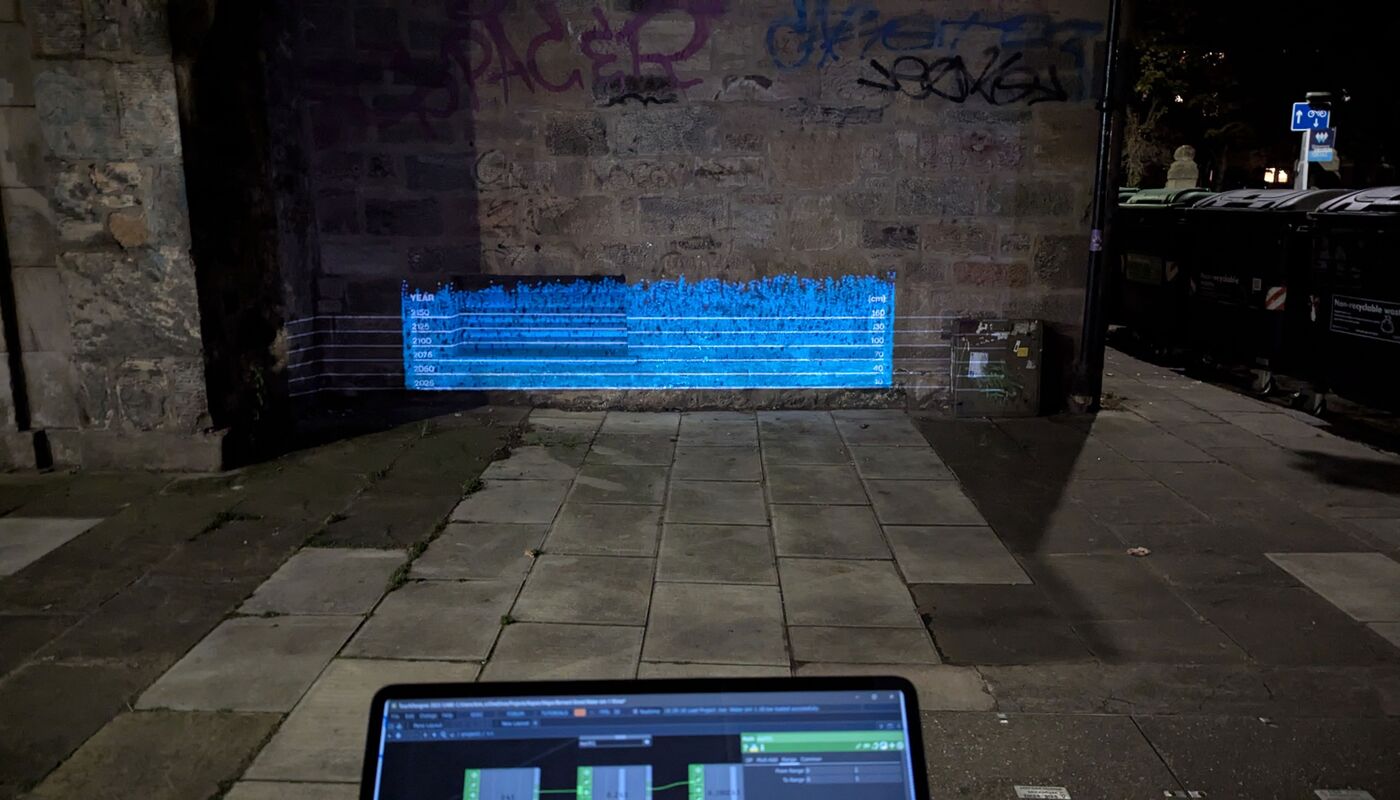
It started on the street. One October evening we projected a live rain simulation onto a wall off Bernard Street, about 200 metres from the river. People stopped, checked the ground against the flood line and started talking to strangers. Then came longer conversations with three Leithers, from someone whose family has been here for generations to someone who’d just moved in, mapping the places that feel most like Leith and laying a flood overlay on top. Then a playtest at Secret Solstice Games on Bernard Street, less than 50 metres from the waterline.
Trying six ways in
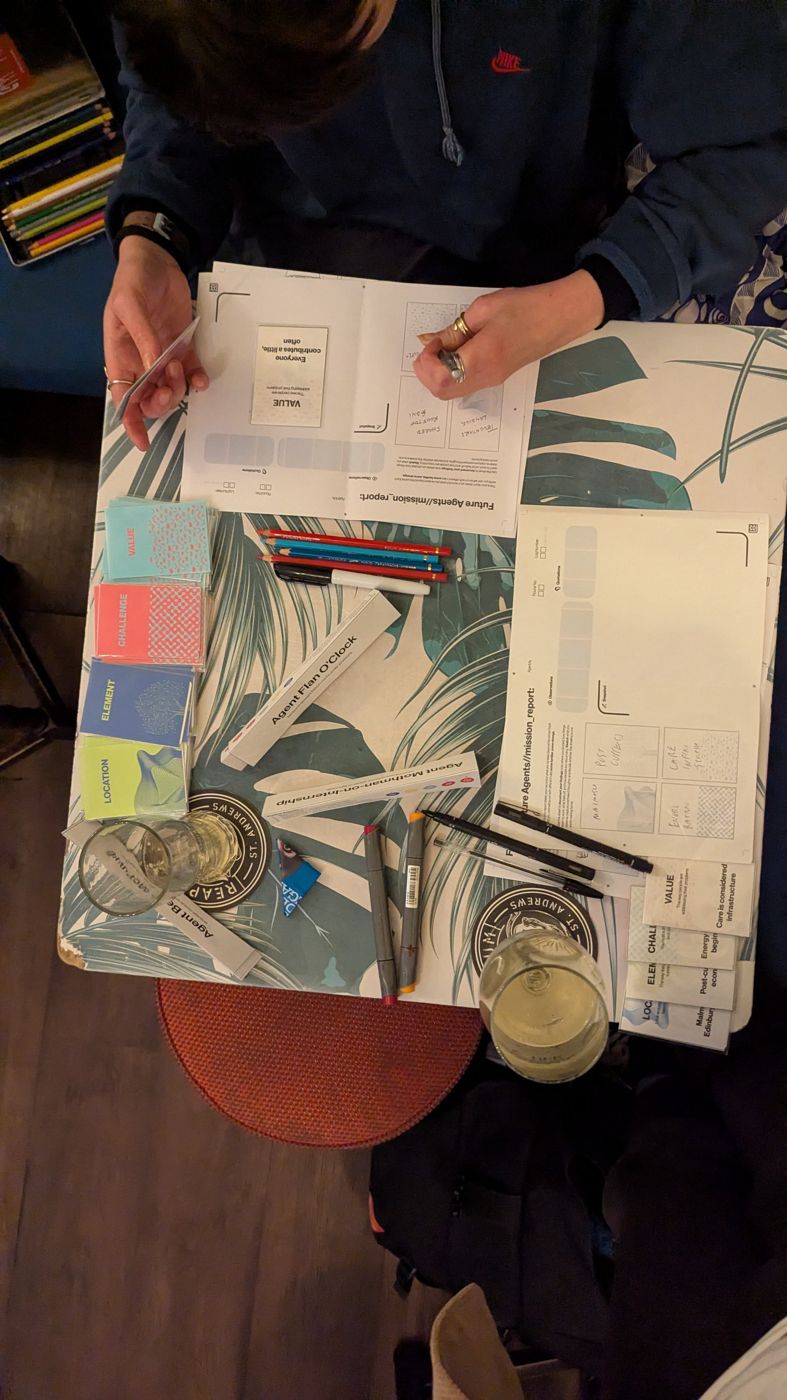
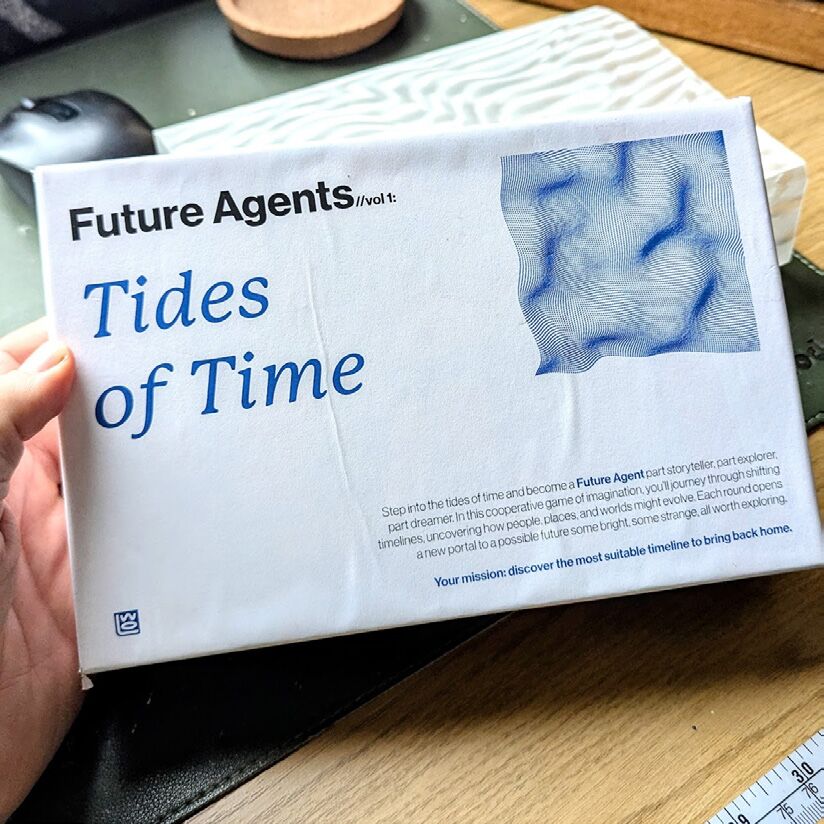
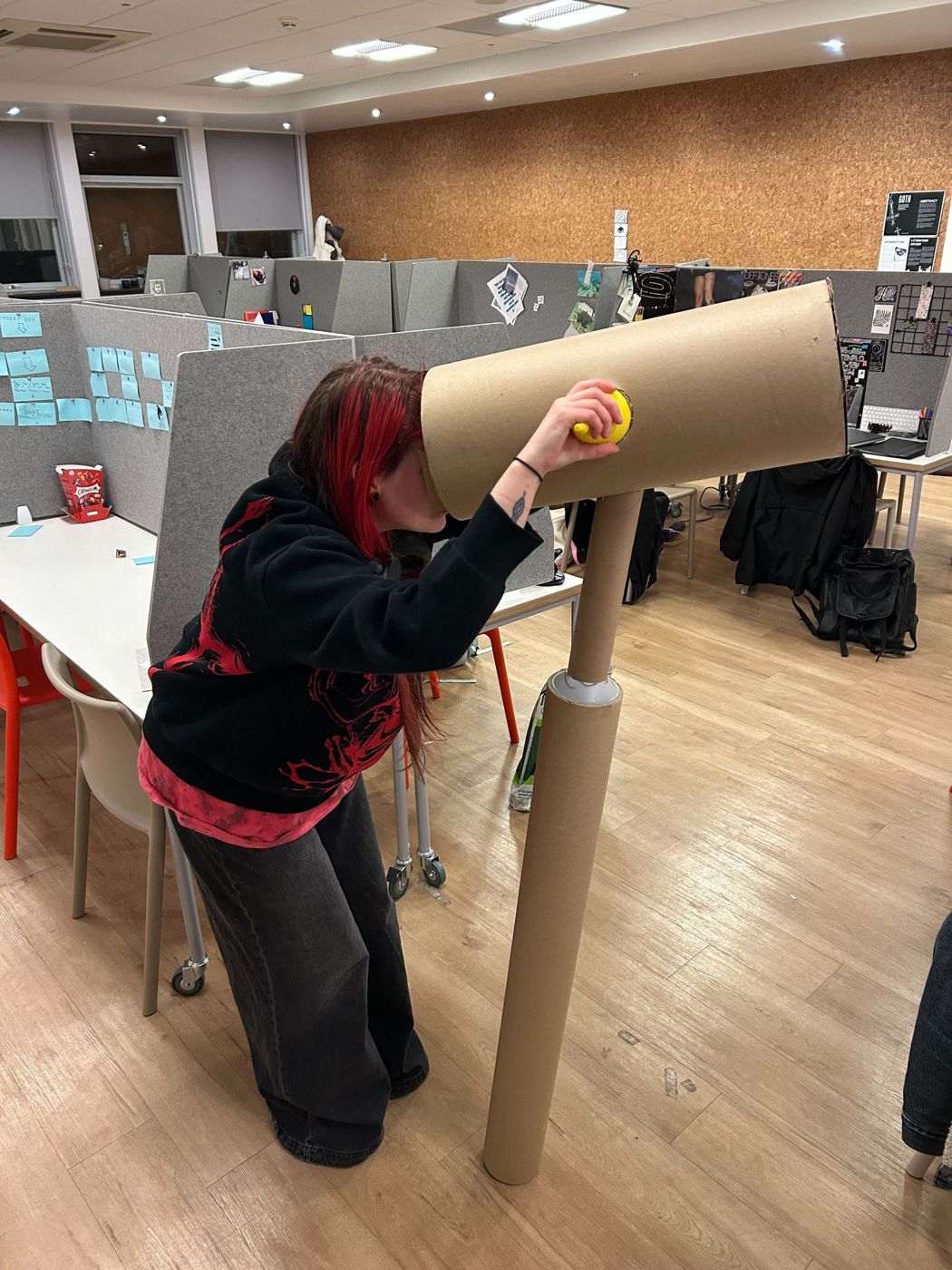
That research turned into six ideas, each a different way into life with water. The projection drew people in but scared them more than it inspired them. Future Agents is a card game where players warp into Leith’s future and vote on which one to bring home. FutureScopes are coin-op telescopes that show a flooded, adapted Leith in VR. Floating allotments get better as the water rises. And the first Helping Hands played a recorded story when you held them. Scored against the brief, the hands came out well ahead.
What we made
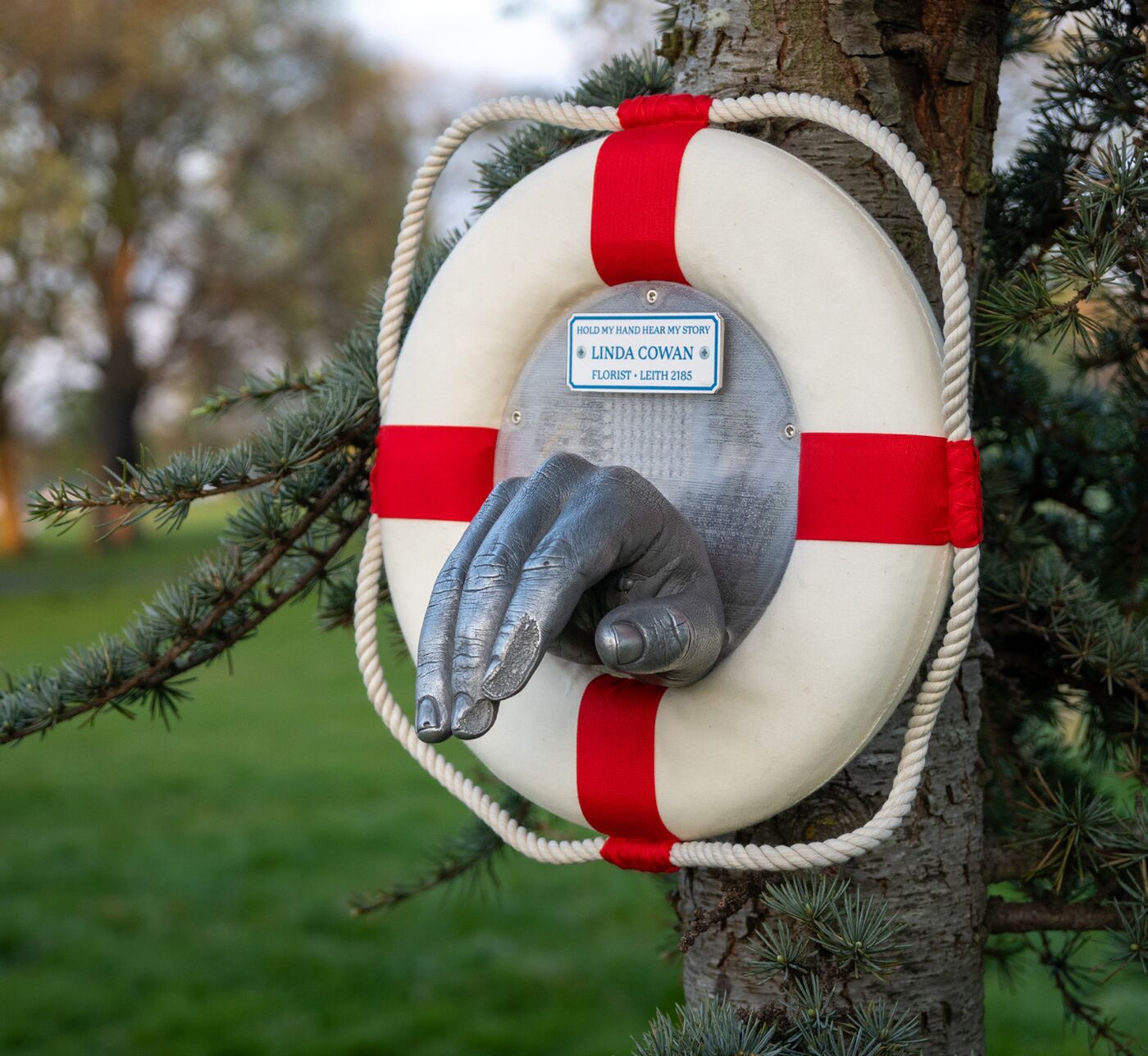
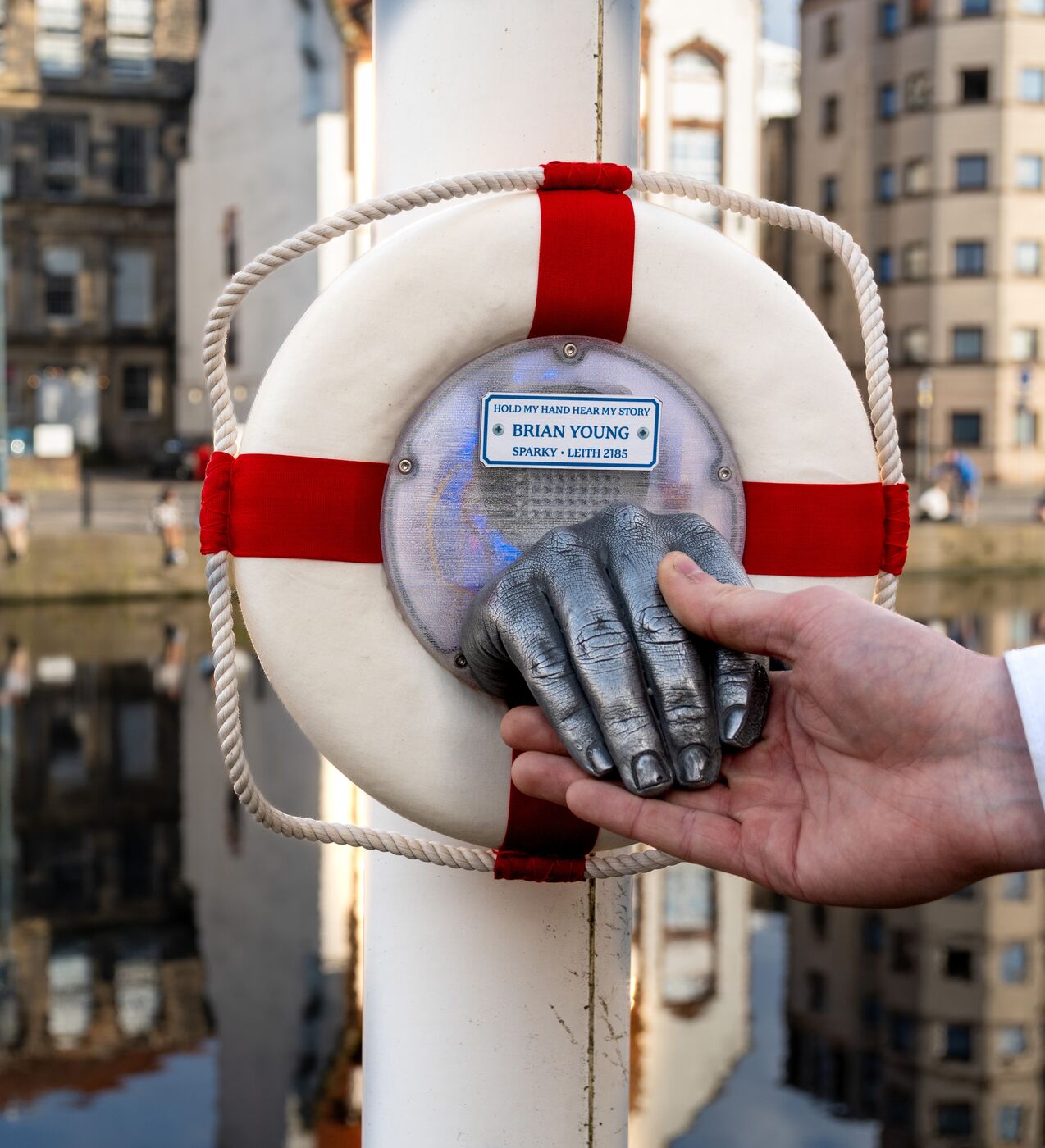
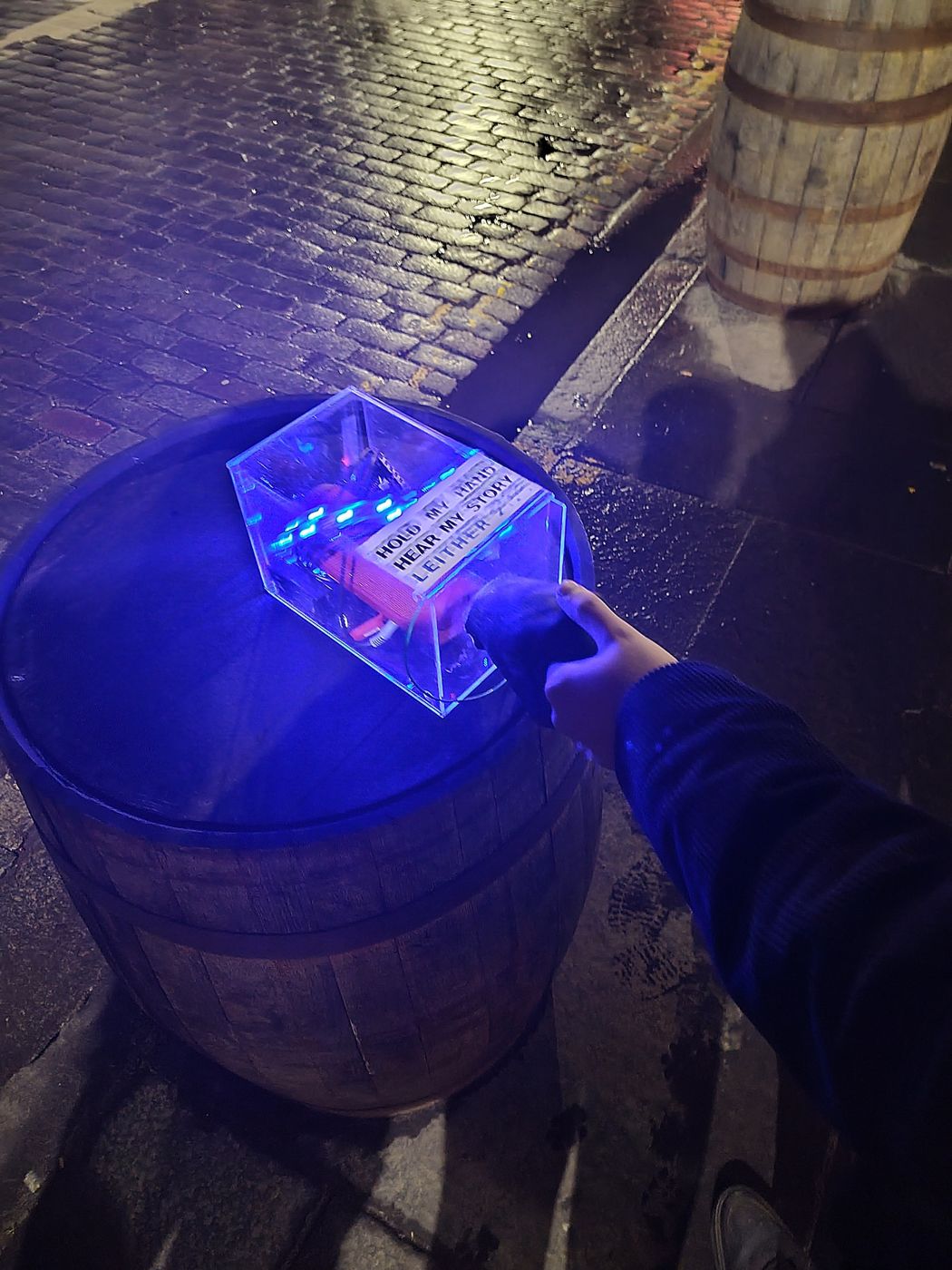
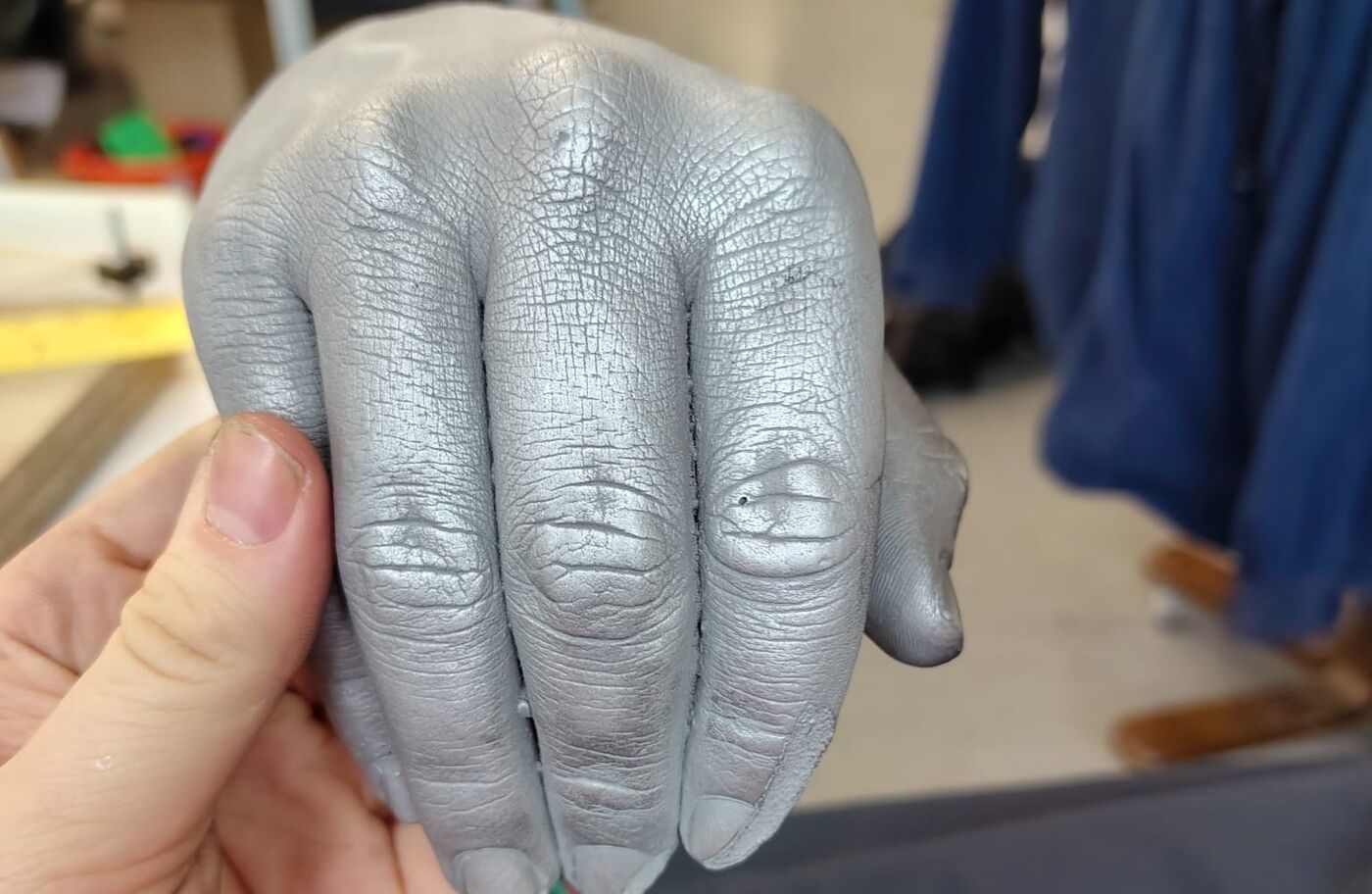
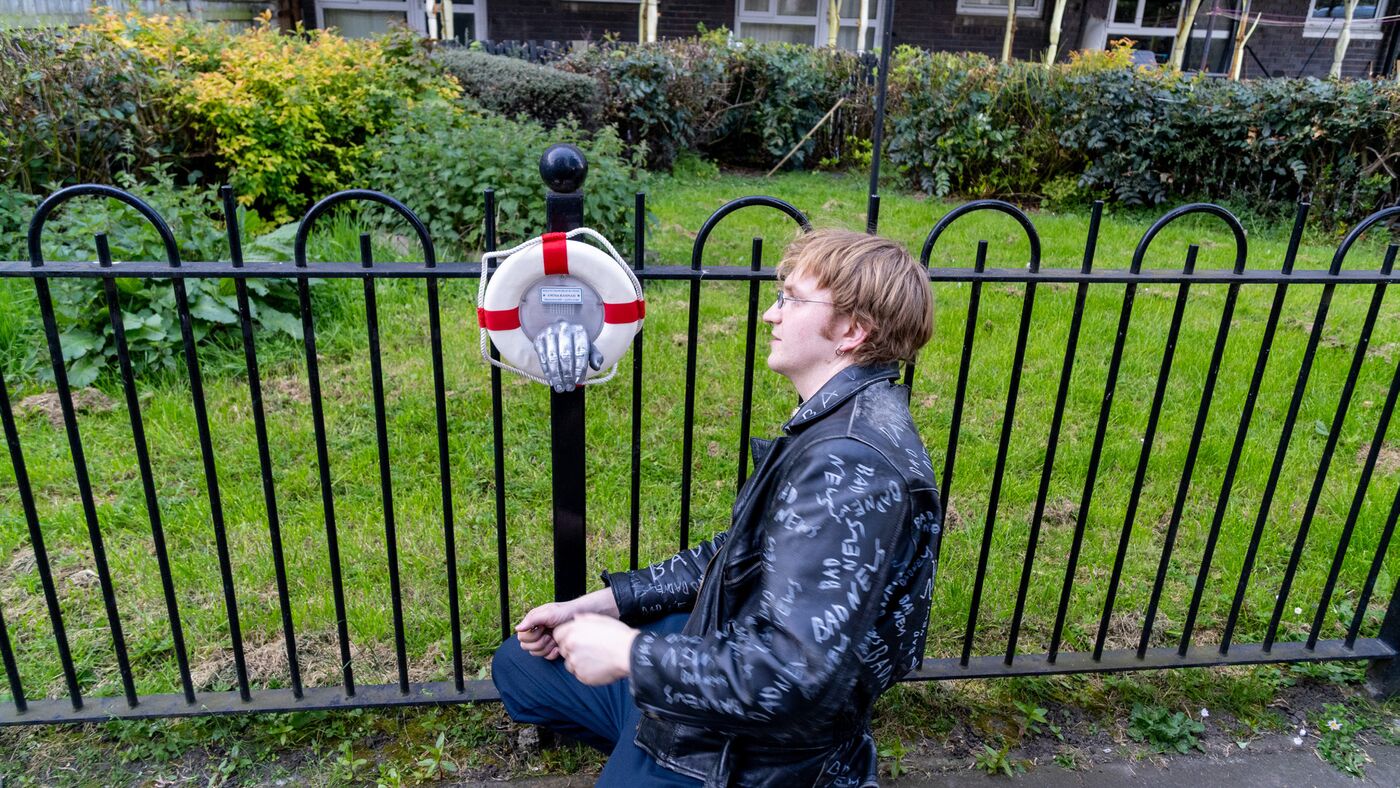
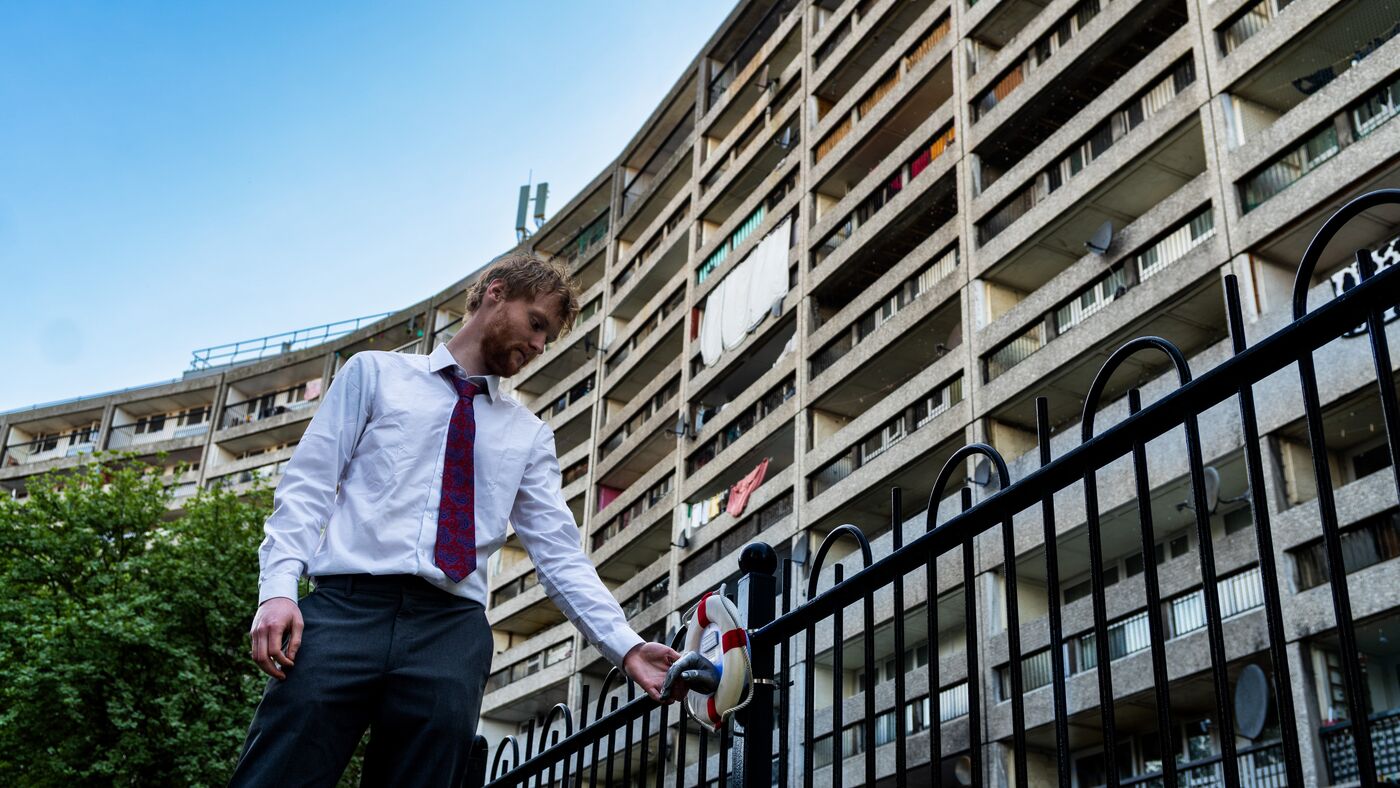
Helping Hands, a network of cast hands mounted on lifebuoys around Leith. Hold one and it plays a voice from an imagined future, a local telling you what life with water is like. They glow blue to catch your eye, change how they behave between day, night and quiet hours, log how often and how long people hold on, and run on battery with solar charging. Early versions felt a bit spooky, with a black reaching hand and wires on show, so they got friendlier, the electronics tucked away and the hands cast in cold, polished metal. Each hand belongs to someone, named on a small plaque, starting with people at the heart of the community.
Making it
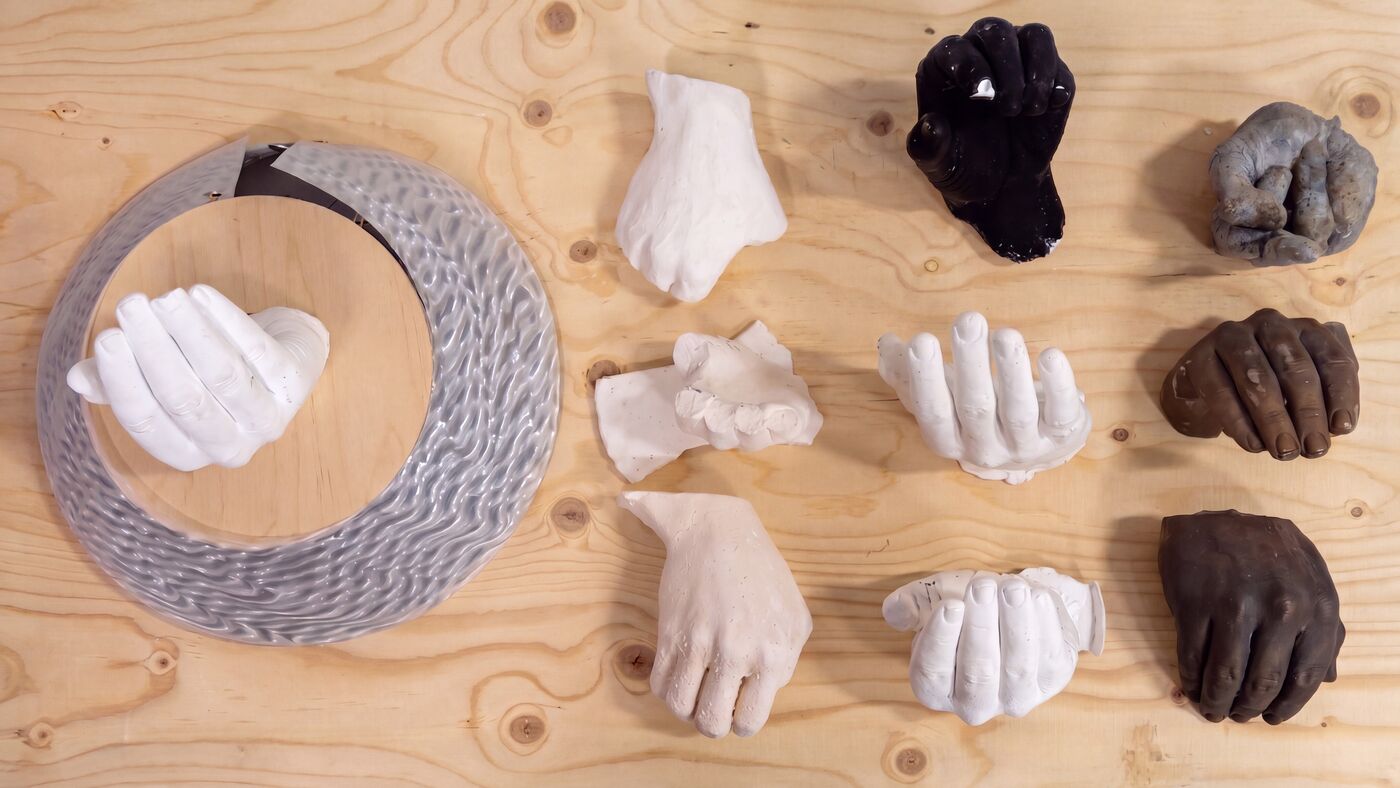
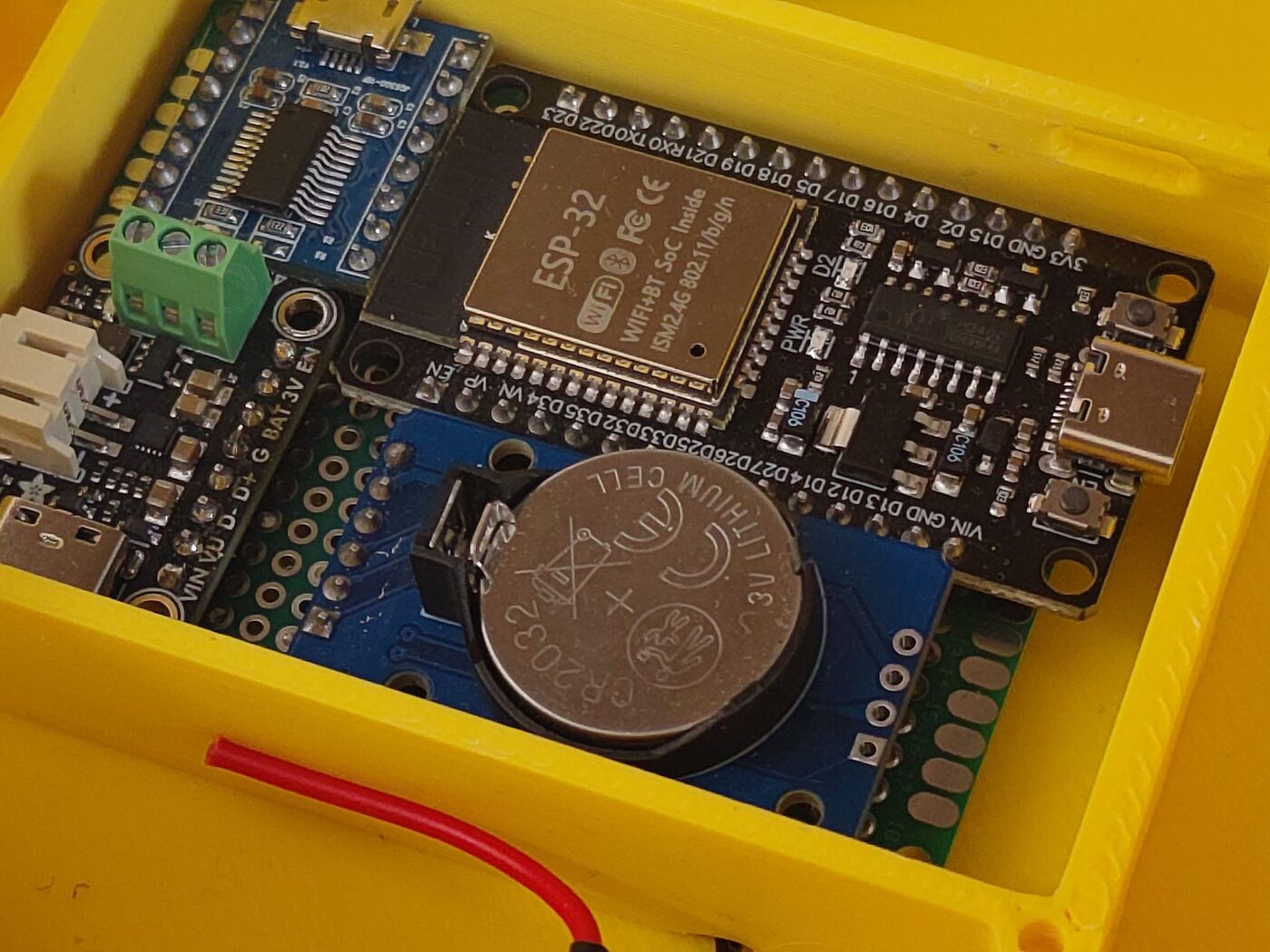
Each hand starts as an alginate life cast, becomes a plaster positive and then a silicone mould, and is slush cast in aluminium and polyurethane before being polished up. The hollow fingers leave room for touch sensors inside. The electronics went from an expensive proof of concept to a cheap ESP32 board with a real-time clock, waterproof USB-C charging and a key switch, then onto a 3D-printed circuit board with copper foil traces, so anyone can build, repair or copy one. The files, firmware and instructions are all open source.
Back on the street
The stories come from Leith and go back to Leith. People imagine their futures, their voices get cast into something public, and passers-by find them on railings and lampposts, stop, listen, and start relating those futures to their own streets.
What lasted
[What happened after the degree show? Where are the hands now, and has anyone added a story?] The project also left something others can pick up: a game for imagining hopeful futures, and an open-source Helping Hand anyone can build.